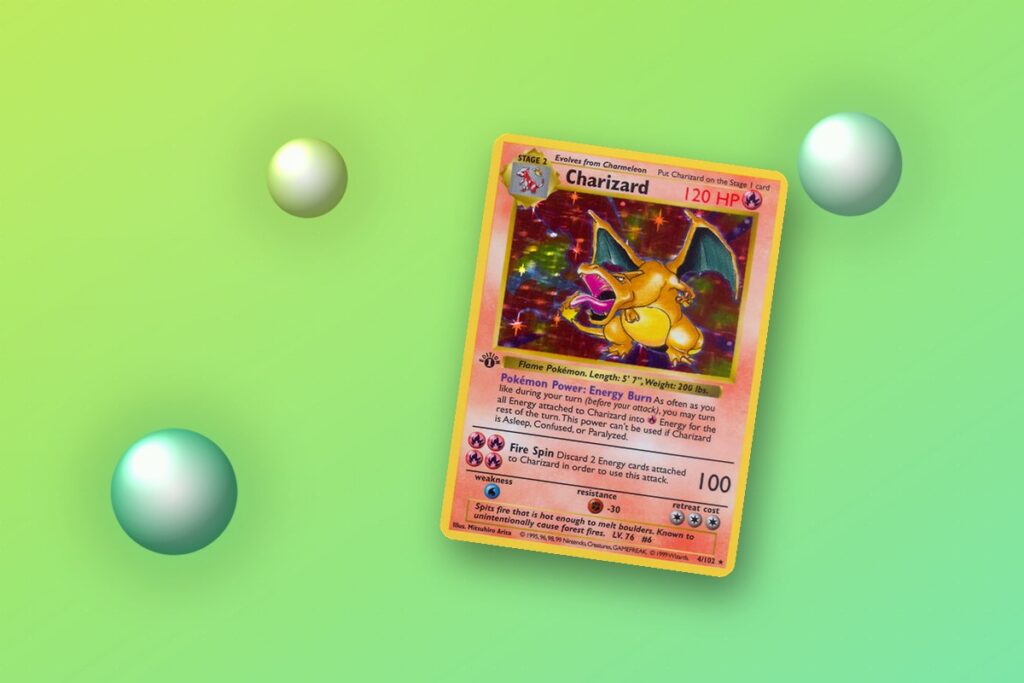
You almost certainly did not start collecting as an investment. You bought the first one because you wanted it. Then another, then a run of them, and somewhere along the way the shelf became a wall, the box became a room, and the thing you did for pleasure quietly became one of the more valuable things you own.
The rest of the world has caught up. Bank of America Private Bank’s Study of Wealthy Americans found 65% of respondents interested in collectibles, rising to 94% of those under 44. The categories will look familiar: millennials and Gen Z are at least twice as likely as older generations to collect watches (46%), wine or spirits (36%), rare or classic cars (32%), sneakers (30%) and antiques (30%). In the 2026 edition of the study, younger investors held 15% of their wealth in alternatives, and 88% said they expected to increase it.
The market moves in pieces, not as a block
What it does not do is move as one. Knight Frank’s Luxury Investment Index, published in April 2026, was almost flat across 2025 at minus 0.4%, while gaining 38.6% over the decade. Underneath that calm surface, Impressionist art rose 80.4% and the Patek Philippe index 12.1%, while fine wine slipped 2.5%. Two collections of similar size can drift in opposite directions depending entirely on what is in them. Which means the useful question was never “are collectibles up?” It is “what, exactly, do I have?”
Most collectors cannot answer that
Not through carelessness. Collections are built one piece at a time, over years, in the order you found things rather than the order that would make them easy to track. The receipt is in an email somewhere. The condition is in your head. The good one is at your parents’ house. Ask a collector how many pieces they own and you usually get a considered guess, which is a strange thing to say about something you would be devastated to lose.
So the point is not to turn your collection into a portfolio, and it is certainly not to sell it. It is simply to have one safe place that knows what you own: each piece properly identified down to the variant, its condition recorded, what you paid, and where it actually is right now. Everything else, whether it is insuring it, lending a piece to a show, settling an argument about a print run, or one day passing the whole thing on, gets easier the moment that record exists.
Your collection already means something. It should be possible to prove it.